Posted by Chen Li in Uncategorized on February 27th, 2026
First Published: 27 February 2026 • 9 min read • Covers: dry needling basics → acupuncture differences → science behind each → side effects → costs
If you’ve been recommended to try dry needling treatment in Sydney for your elbow or wrist pain, you might be wondering: Isn’t that just acupuncture?
At Hand Therapy Experts, we hear this question from clients all the time: whether one is better than the other. While both involve the use of fine and sterile needles to reduce pain, the science behind how both treatments work differs.
Understanding how they differ can help you choose the treatment that best supports your recovery.
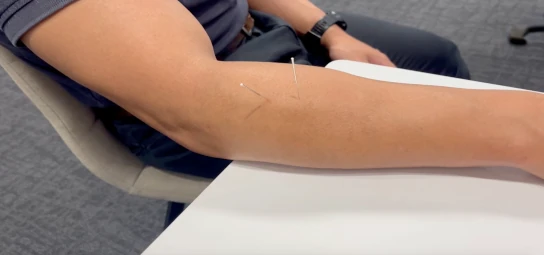
Dry needling is a treatment technique used by hand therapists and other trained allied health professionals to treat muscle pain, trigger points and movement dysfunction. It is based on modern Western medicine, anatomy and neurophysiology.
It is a fast and effective treatment procedure that can help with muscle pain or tension. Below are the steps during a dry needling treatment session at Hand Therapy Experts:
The treatment also addresses movement‑related pain, making it a valuable tool for healing hand, wrist and elbow injuries.
A trigger point, often described as a “knot” in the muscle, is a tight, sensitive band of muscle fibres that can cause local pain or refer pain to other areas.
Both dry needling and acupuncture improve muscle pain. However, the science behind both treatments differs.
Acupuncture is a traditional treatment method based on Traditional Chinese Medicine (TCM). Instead of targeting muscle trigger points, acupuncture focuses on restoring the body’s flow of energy (“qi”) through pathways called meridians. Acupuncturists insert fine needles into specific meridian points to influence the body’s energy balance to improve muscle pain.

Research shows that irritated muscle fibres can become chemically sensitised, producing substances such as bradykinin, serotonin and prostaglandins (Shah et al, 2008). These chemicals increase nerve sensitivity, reduce blood flow, and perpetuate the pain cycle.
Dry needling aims to interrupt the pain cycle response by inserting a very fine needle directly into the trigger point, producing a local twitch response, a brief involuntary muscle contraction. This often feels like a muscle spasm or cramp for a few seconds. This twitch is a positive sign that the muscle is beginning to release.
Data suggests that a local twitch response in dry needling:
In Traditional Chinese Medicine, the body is understood to have a network of meridians, which are pathways that carry something called ‘qi’, otherwise known as your life energy.
When qi flows smoothly, the body is thought to function normally. But if this flow becomes blocked or even imbalanced, discomfort or illness is predicted. Acupuncture is a treatment which aims to restore this balance by stimulating specific points along these meridians with very fine needles.
Practitioners of acupuncture may also use techniques like moxibustion, cupping, electrostimulation or massage to stimulate the effectiveness of the treatment for best results.

The course of acupuncture treatment typically ranges from 1 to 20 sessions. Similar to dry needling for chronic pain, it may take 2 or 3 appointments before you notice a significant improvement. In addition to acupuncture, you may be offered complementary Traditional Chinese Medicine treatments during the same visit.
Some patients feel relief within days, though chronic conditions may require three weeks or longer for noticeable improvement.
Recovery speed depends on the individual; your hand therapist will review your progress in 1–2 weeks to assess effectiveness.
We will reassess your movement and symptoms to determine if you need further sessions or if different muscles are causing referred pain. It typically takes up to three sessions to notice significant improvements in pain and function.
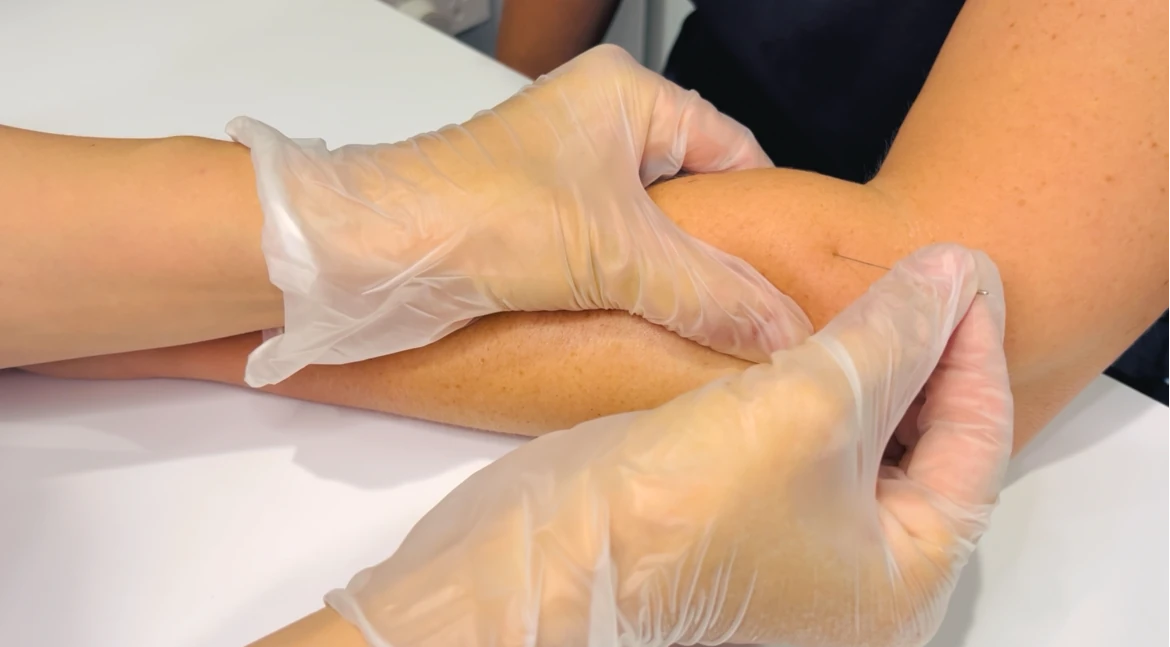
When performed by a trained allied health professional, dry needling is a safe and effective treatment for upper limb conditions.
We use fine, sterile needles to minimise infection risk, ensuring your safety is prioritised. This technique is only applied to patients whose specific medical conditions are clinically suitable for the procedure.
Acupuncture is a safe treatment technique performed by Traditional Chinese Medicine Practitioners or acupuncturists.
Like dry needling, it is only used on patients with medical conditions that are suited for dry needling and uses fine, sterile needles.

While dry needling effectively relieves muscle tension and pain, it is not suitable for everyone. It should not be performed if you have:
If you are unsure whether dry needling is an appropriate treatment for you, please discuss your medical history with your hand therapist.
While dry needling effectively relieves muscle tension and pain, it is not suitable for everyone. It should not be performed if you have:
Acupuncture is not recommended for patients with these conditions:
If you are pregnant or may be pregnant, it’s important to notify your practitioner so no acupuncture points are used which may affect your pregnancy.
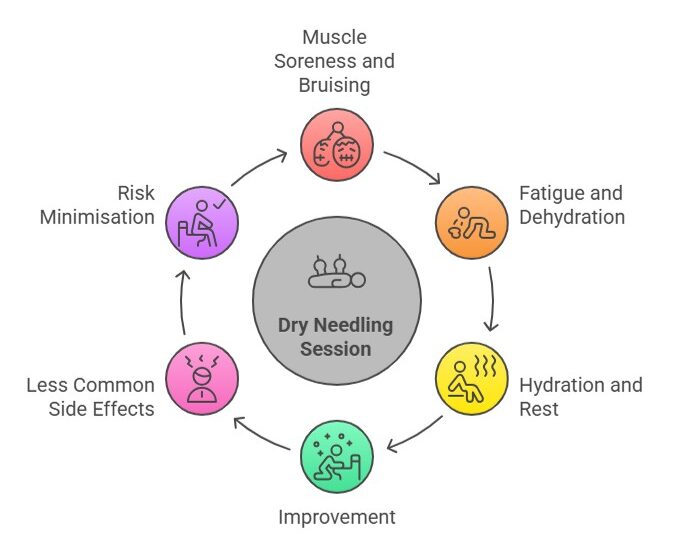
After a dry needling session, you can expect muscle soreness and bruising for 1-2 days. You may also feel fatigue or dehydration. These side effects are temporary and usually improve with staying hydrated and resting from strenuous exercise.
Less common side effects include dizziness or fainting. To minimise this risk, we treat the patient lying flat on a bed if it’s their first time receiving treatment.
Another, but less common, side effect is metal allergy. If you are allergic to metal, please notify your hand therapist.
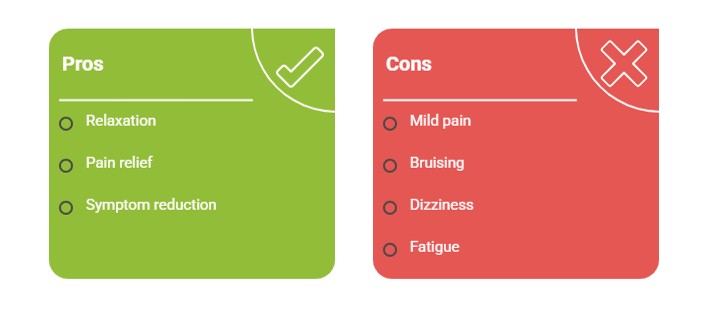
After acupuncture, you may feel relaxed with reduced pain and symptoms. You may also notice mild pain or bruising over the treated area, which will improve on its own.
Less common side effects include dizziness and fatigue.
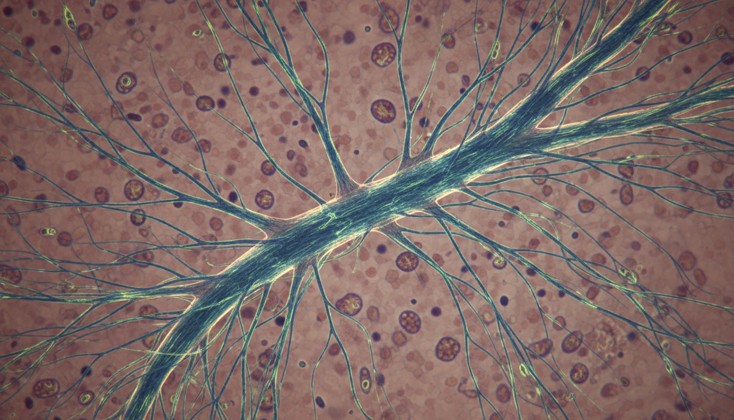
Dry needling can occasionally cause a sharp, ‘zapping’ sensation or temporary numbness if a needle contacts a sensitive nerve. Because active trigger points involve both muscle and nerve tissue, these areas can be hypersensitive to stimulus.
In most cases, any discomfort or ‘pins and needles’ disappears within minutes; it’s usually rare for symptoms to persist after a few days.
If you continue to experience these sensations during treatment, let your therapist straight away so they can adjust the technique and monitor your progress.
Dry needling prices will inevitably vary in Australia depending on the practitioner type. These include physiotherapists, hand therapists, occupational therapists, osteopaths, and chiropractors. Fees will also vary by clinic, as pricing structures can differ from one to the next.
| 📋 Category | 🏥 Industry Range (Sydney) | 📍 Hand Therapy Experts |
|---|---|---|
| 💰 Initial vs. Follow-up Sessions | ||
| Initial Consultation | $145 – $265 Longer due to assessment |
$172 – $249 One arm or both arms |
| Follow-up Sessions | $100 – $250 | $142 – $187 |
| 🪡 Integrated Dry Needling Fee | ||
| Additional Needling Item | $7 – $30 Varies by number of needles used |
Billed as an additional item — not all patients require it |
| 🏦 With Private Health Insurance | ||
| Rebate Available? | ✅ Yes — if your policy includes physiotherapy or occupational therapy cover | |
| What You Pay | Gap fee only — the remainder after your insurer’s rebate. Amount depends on your level of cover and whether your annual threshold has been reached. | |
| 🩺 With Medicare (Chronic Condition Management Plan) | ||
| Medicare Rebate | $60.35 rebate (2025–2026 rate) for physiotherapy or occupational therapy | |
| What You Pay | Gap fee — the remaining amount after the Medicare rebate, which varies by session cost. Speak to your GP to determine eligibility. | |
Acupuncture sessions typically cost $110–$150. While many private health funds cover these treatments, acupuncture provided by Traditional Chinese Medicine practitioners is generally not eligible for Medicare rebates under GP Chronic Condition Management Plans.
Chen Li is an Accredited Hand Therapist based in Sydney’s North Shore, with over 10 years of experience in assessing and treating conditions of the hand, wrist, and elbow.
She has extensive expertise, offering effective and conservative hand therapy treatment while supporting patients through post-surgical rehabilitation.

Posted by Chen Li in Uncategorized on November 12th, 2025
First Published: November 2025 • 9 min read • Covers: causes → exercises to avoid → safer alternatives → recovery → prevention
If you are one of the many people stuck in a frustrating cycle of tennis elbow pain, where even your best efforts to address this condition seem to backfire constantly? You’re not the only one out there.
That nagging ache on the outside of your elbow makes even the simplest everyday tasks difficult, and to make matters worse, it could actually be the exercises you think will improve your condition that might actually be making things worse.
In this insightful post, we uncover the common exercises that could be at the root of your tennis elbow. After reading our guide, you’ll know exactly which movements to ditch from your routine, to finally get some real relief and get back to living the life you love.
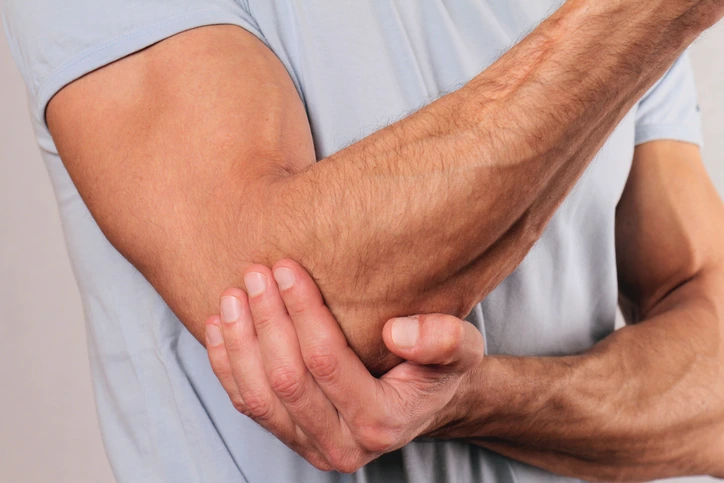
To address a common myth, you don’t have to actually play tennis to develop tennis elbow.
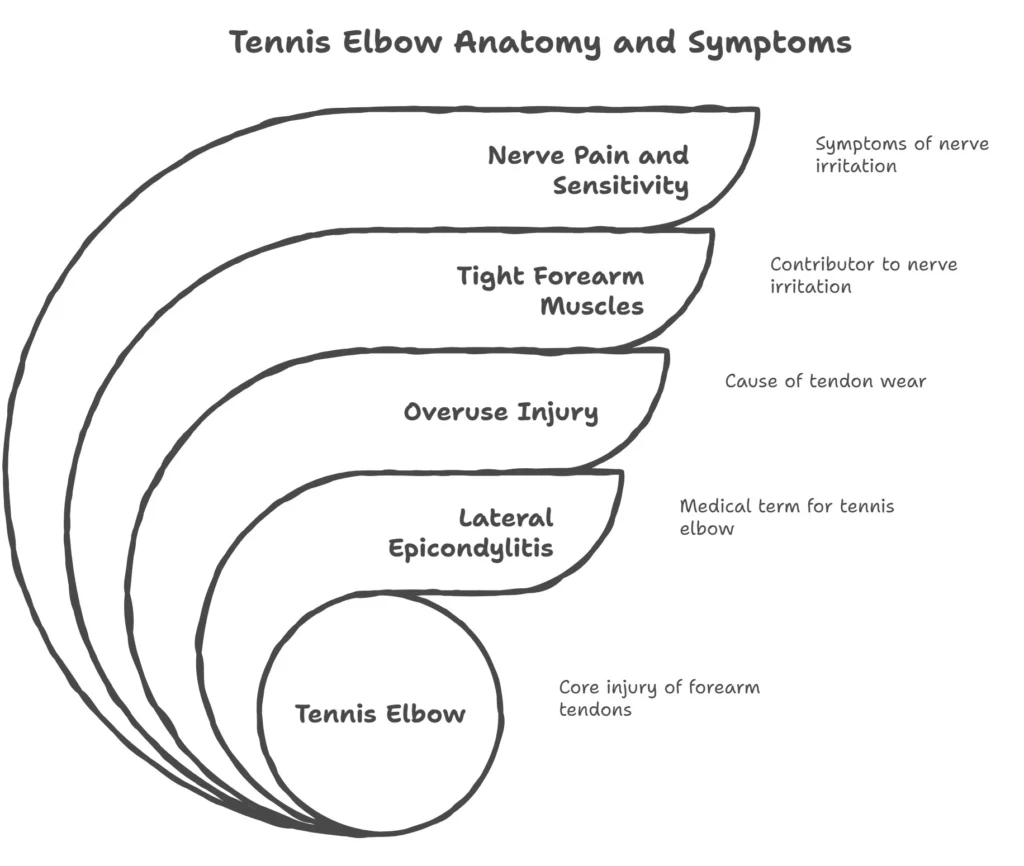
Otherwise known as ‘Lateral Epicondylitis’, it’s a common overuse injury that happens when tendons in your forearm get worn out from repeated strain.
For some people, having tight forearm muscles can also irritate the radial nerve, making things like nerve pain and increased sensitivity pretty common symptoms too.
Here’s what happens: Whether it’s from gripping, heavy lifting, or squeezing exercises, like when using a stress ball, all these repetitive actions start to create micro-tears in your tendons. And as you can probably guess, this, in turn, causes ‘repetitive strain overload’ on the already inflamed area.
Think of it like a rope that’s been pulled too many times in the same direction – exactly the same concept!
The most commonly affected structure is the extensor carpi radialis brevis (ECRB) tendon, where it hooks onto the elbow – the outside bit at the back of the elbow.
This gradually becomes irritated and weakens if not managed early. In some cases, tight forearm muscles can also irritate the radial nerve, adding symptoms such as nerve pain and sensitivity.
For some people, having tight forearm muscles can also irritate the radial nerve, making things like nerve pain and increased sensitivity pretty common symptoms too.
The key takeaway is that any activity involving repetitive gripping, wrist extension, or lifting can be the culprit.
To address a common myth, you don’t have to actually play tennis to develop tennis elbow.
Otherwise known as ‘Lateral Epicondylitis’, it’s a common overuse injury that happens when tendons in your forearm get worn out from repeated strain. So, what are some of the key offenders?
Why it hurts:
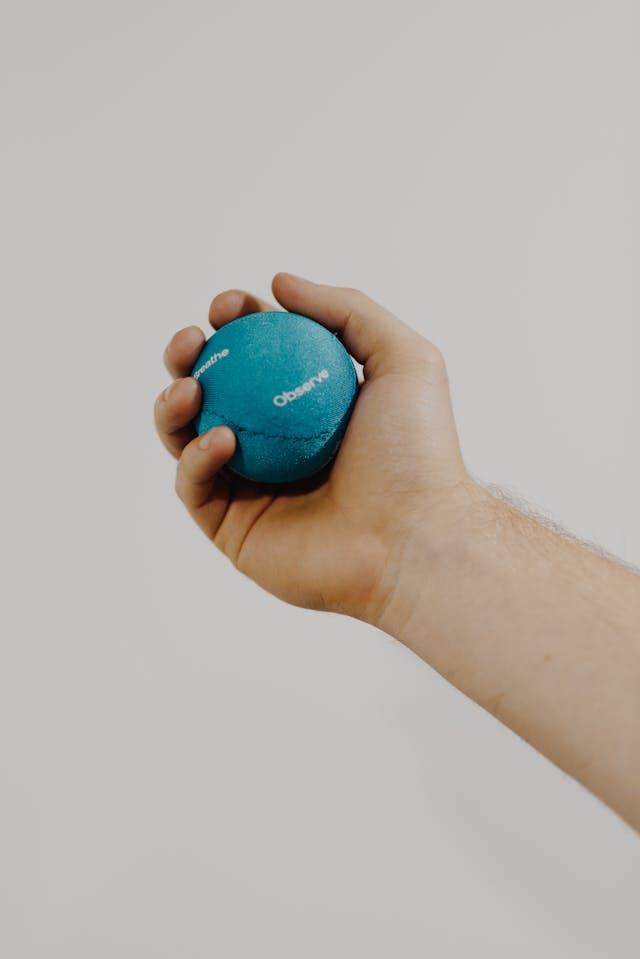
Squeezing a stress ball or a hand gripper uses the forearm extensor muscles, which contribute to tennis elbow pain. Overuse of these muscles will increase the inflammation in the ECRB tendon, thus worsening tennis elbow pain.
What to do instead:
We recommend you try some gentle finger extensions or use some therapy putty that’s got minimal resistance – that way you can keep your joints loose and supple without putting too much strain on those overworked extensors.
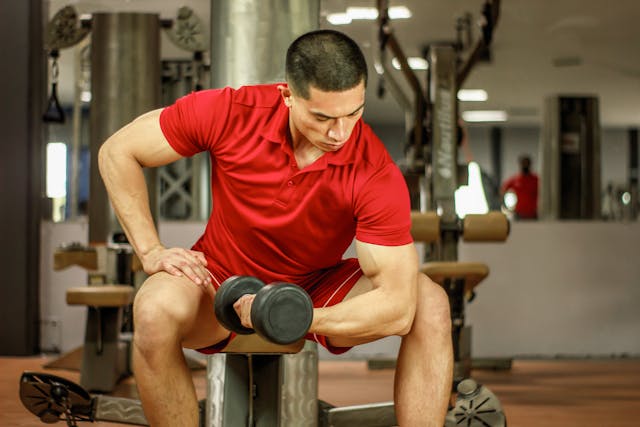
Why it hurts:
Heavy wrist curls place excessive stress on the forearm extensor tendons, especially when the tendon is already irritated or weakened from tennis elbow.
When these tendons cannot tolerate high loads, heavy resistance training can trigger flare-ups or even contribute to small tears in the ECRB tendon. A common mistake people make in the gym is using heavy dumbbells for wrist curls or bar hangs.
What to do instead:
Forget about using heavy weights for now and go for light resistance or bodyweight exercises that let you move your wrists in a pain-free zone. Try to keep your range of motion nice and gentle to help give your tendons a break.

Why it hurts:
Pull-ups place the forearm in a rotated position with the elbow straight, loading the extensor tendons under significant tension.
This position is one of the most aggravating for tennis elbow sufferers because it involves both strong gripping and a load-bearing movement. Pain is often worse during the lowering phase of the movement, as the extensor tendons are lengthened under load, also known as eccentric loading, a common trigger for tennis elbow pain flare-ups.
What to do instead:
Try assisted pull-ups, neutral-grip lat pulldowns, or rows that keep your elbows slightly bent to reduce forearm strain.
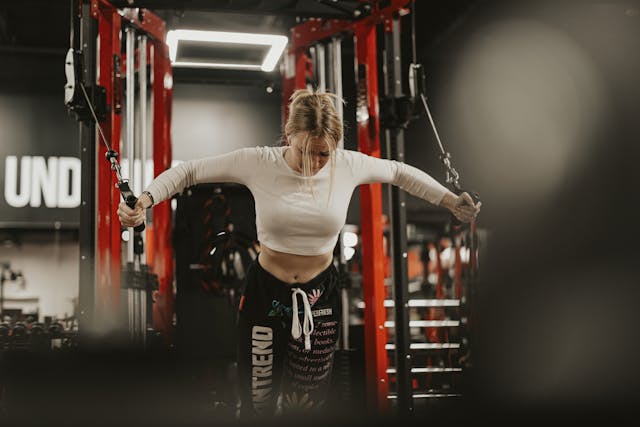
Why it hurts:
Cable-based gym exercises such as wood chops and straight-arm pulldowns also strain the forearm extensor tendons when performed with the elbow locked straight.
The heavier the resistance, the more force is transmitted through the extensor tendon attachment at the elbow. These movements often cause pain because the tendon is not yet strong enough to tolerate high loads during recovery.
What to do instead:
Perform the same exercises with a slightly bent elbow to reduce tendon loading, or choose alternative exercises like bent-arm cable rows that distribute force more evenly.

Why it hurts:
Even though side raises and front raises are designed to strengthen the shoulder, performing them with a straight elbow still puts a lot of strain on your wrist extensor muscles.
The longer you hold onto that weight and the more static you are, the more stress is being sent down your forearm, which can increase the strain on those tendons, especially when performed with heavy dumbbells. Which, if you are suffering from tennis elbow, is not exactly good news.
What to do instead:
Just do your deltoid raises with a slight bend in the elbow or use lighter weights and try to keep your movements nice and smooth – that way you can avoid overloading those poor tendons.
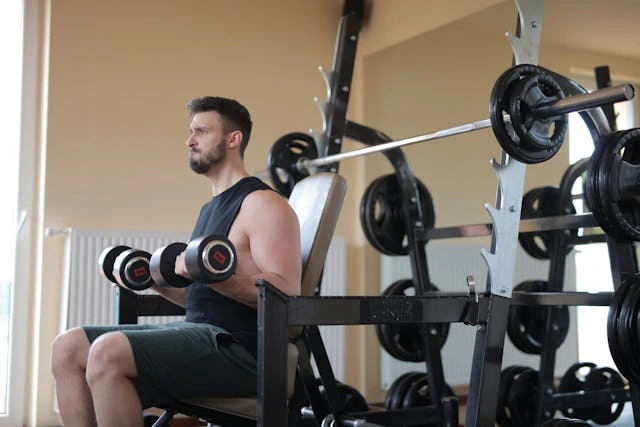
Why it hurts:
This is arguably the biggest offender in the gym. A heavy barbell or dumbbell forces you to grip tightly, which places an immense strain directly on the already-inflamed tendon attachment at your elbow.
Those forearm extensor muscles are working overtime when you grip the barbell tight, even though they’re not the muscles you’re trying to target – they’re just trying to help you out. When you clench a barbell or heavy dumbbell in your hand, you’re essentially piling on the strain when you have a dodgy elbow. It’s the same old problem – your elbow is already irritated, and this just makes it worse.
What to do instead:
Try using light dumbbells for some hammer curls; these help take the pressure off your grip.
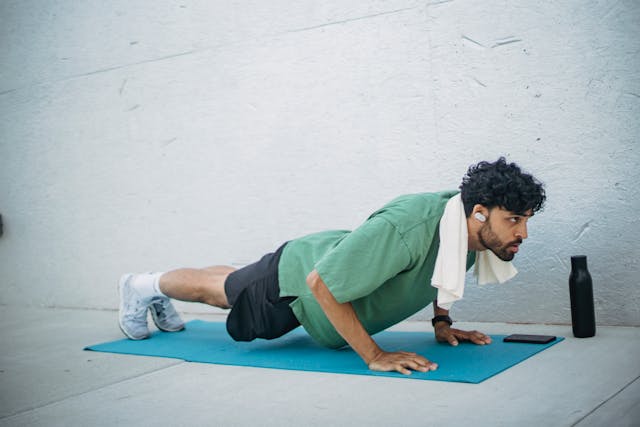
Why it hurts:
Push-ups are a fantastic bodyweight exercise, but they place your wrists in extension and demand significant stability from the forearm, transferring load directly through the elbow. The same goes for a heavy barbell bench press.
The extended wrist position stretches and irritates the tendon. As you lower your body, the tension increases sharply, often causing a sharp pain in the elbow at the bottom of the movement.
What to do instead:
Perform push-ups on fists or with push-up handles to keep your wrists in a neutral position. This simple change can dramatically reduce elbow strain.
This table gives you a clear, at-a-glance action plan to modify your workout immediately.
| 🚫 Exercise to AVOID | ⚠️ Why It’s Bad for Tennis Elbow | ✅ Safer ALTERNATIVE |
|---|---|---|
|
|
|
Instead of just avoiding exercise altogether, we recommend doing movements that are a lot easier on your tendons and actually help them to heal at the same time as building strength.
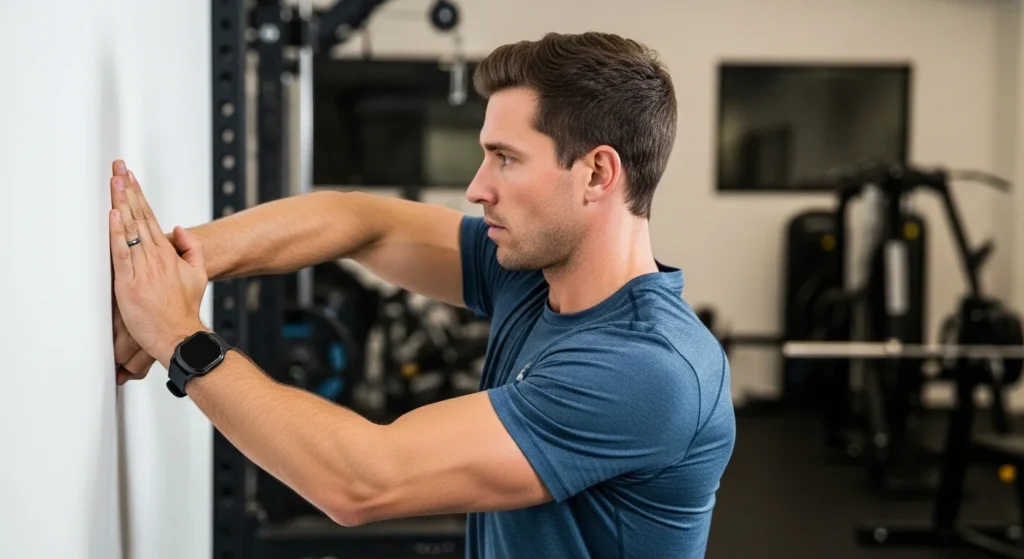
Isometric exercises involve holding tension without moving the joint and are very effective in early tennis elbow rehabilitation. These exercises help ease the pain by getting your tendons to work without putting too much stress on them, which in turn helps your tendons get more resilient over time.
When performed the right way, isometrics can even provide some relief while you’re still exercising.
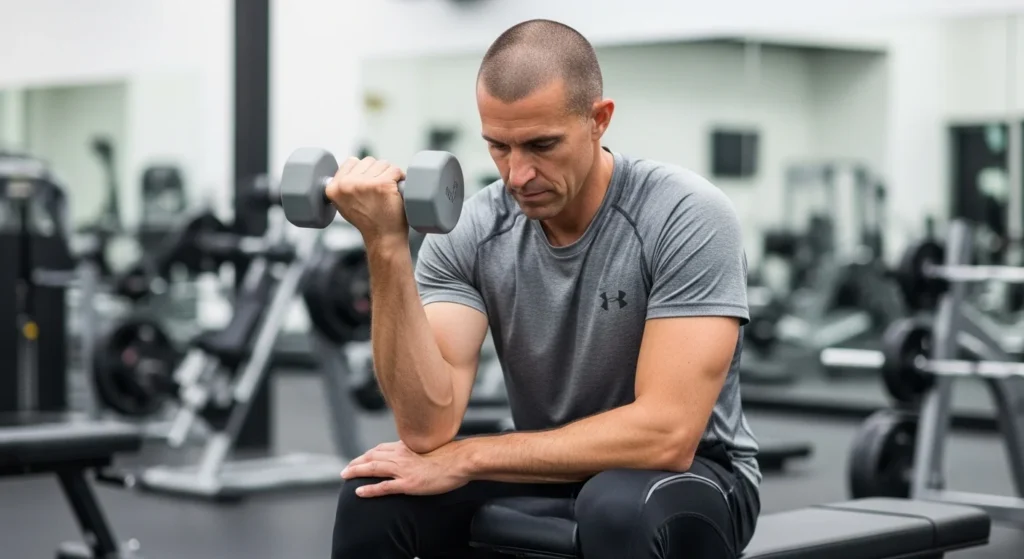
Eccentric training (slowly lowering a light weight under control) helps tendon healing by increasing blood flow and activating collagen repair.
When performed with low resistance and correct technique, eccentric exercises gradually rebuild tendon strength without causing flare-ups. These are often introduced once elbow pain starts to improve.

Some people with tennis elbow may also experience radial nerve tension that can mimic tendon pain. As your radial nerve runs down your arm, tight or overactive muscles in your forearm can get in the way or even compress the area and your nerve.
This is where Radial nerve glides can help, providing super-gentle movements that help get the nerve mobile again. This helps reduce nerve-related symptoms like burning, tingling, or sharp pain.
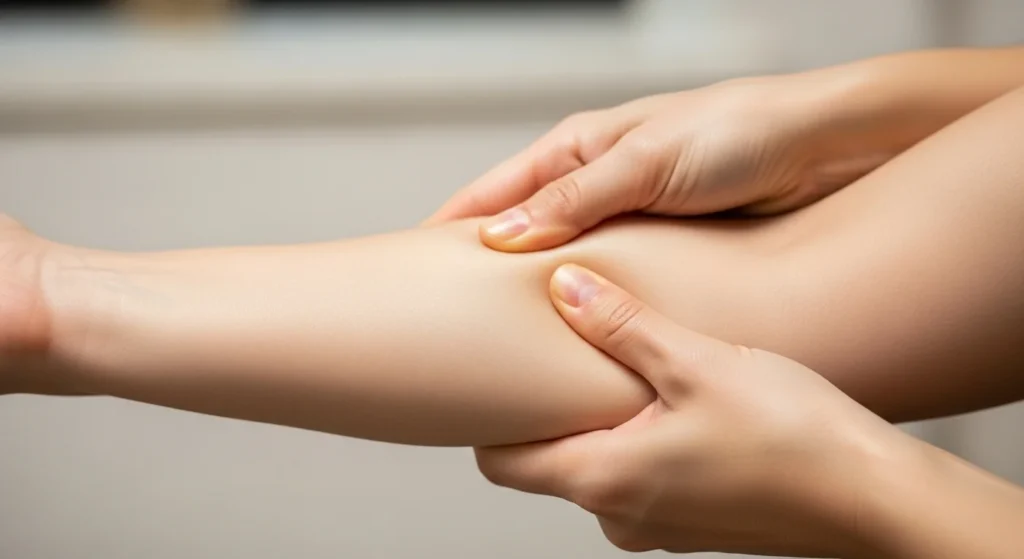
When your forearm extensor muscles get all tight, it amplifies tendon irritation, making it that much worse. We recommend using a massage ball to release some of that tightness and get the circulation going to decrease the pain.
This is just one simple trick that also helps prepare the tendon for loading exercises and everyday activities.
If you’ve tried resting and modifying your exercise routines and you still find you are experiencing pain, we recommend seeking help early to prevent any further complications. Unfortunately, self-care can only get you so far for this condition and is not always enough, especially for more complicated cases.
At Hand Therapy Experts, we have years of clinical experience in providing effective tennis elbow treatment for this condition and can assess your strength, mobility and tendon irritability at our clinic in Sydney’s lower North Shore.
We provide patients with an effective treatment plan, which may include:
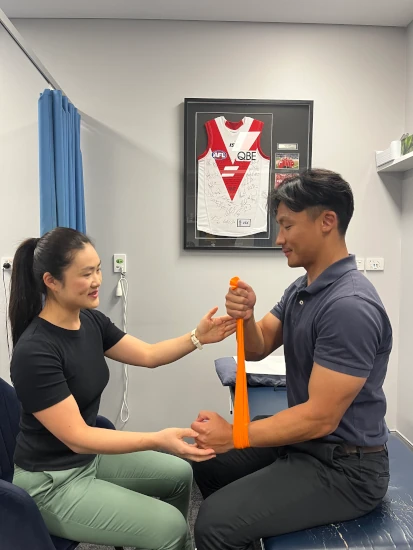
Dealing with tennis elbow can feel like a frustrating setback, especially if you are a regular at the gym. Because of this, however, it is also an opportunity to train smarter by cutting these seven exercises that can cause you more harm than good.
Remember, healing is a journey. Be patient with your body, listen to what it’s telling you, and don’t hesitate to ask for professional assistance.
For more information, please visit our Tennis elbow FAQ page, or contact Hand Therapy Experts at 1300 33 HAND or book a consultation today!

Chen Li is an Accredited Hand Therapist based in Sydney’s North Shore, with over 10 years of experience in assessing and treating conditions of the hand, wrist, and elbow.
She has extensive expertise, offering effective and conservative hand therapy treatment while supporting patients through post-surgical rehabilitation.
