✅ Accredited Hand Therapist
✅ 10+ Years Experience
✅ Tailored Hand Exercises
Hand Therapy Experts offer personalised hand exercise programs in Sydney at our North Shore and Northern Beaches clinics to treat a wide range of hand and wrist conditions, including fractures, surgeries, and chronic issues.
Each of our hand rehabilitation programs is designed by Accredited Hand Therapist Chen Li, who has over ten years of experience treating adults and children of all ages.
Book an appointment or call 1300 334 263.
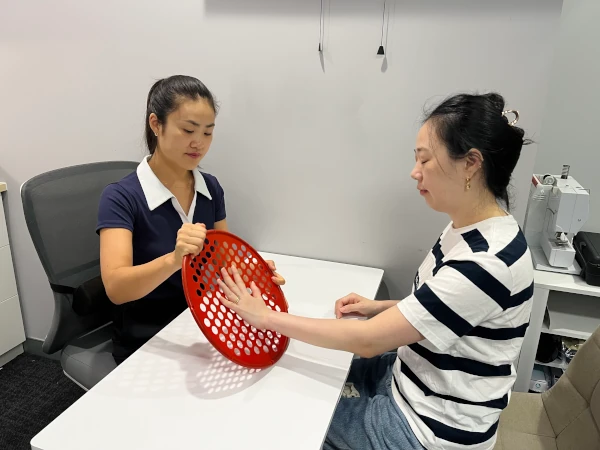
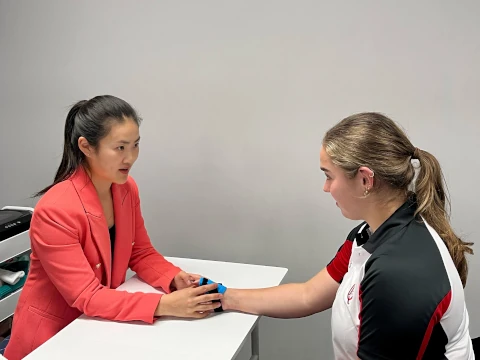
Individualised hand exercise programs may be included as part of your hand therapy treatment plan, with specific exercises matched to your condition, stage of recovery and lifestyle activities.
A good example of this is where finger tendon gliding exercises are introduced to improve mobility and reduce stiffness after an injury or surgery. Other patients may benefit from exercises to treat joint instability, build strength or improve nerve mobility, such as nerve glides.
| Treatment Benefits | Explanation |
|---|---|
| Encourages Bone Healing | According to Wolff’s Law, bones grow, remodel and strengthen in response to mechanical stress. Range of motion exercises may be prescribed within a couple of weeks of injury for injuries such as volar plate fracture, metacarpal fracture and distal radius ORIF. |
| Improves Tendon Healing | Range of motion and graded strengthening improves blood flow and tendon strength. Early range of motion exercises are often prescribed within 5 days for flexor tendon repair, such as Jersey Finger, when cleared by a hand surgeon. |
| Improves Range Of Motion | Moving specific joints and activating specific tendons improves range of motion. As range of motion improves, hand function and use also improve. |
| Lowers Daily Pain | Releases muscle tension through soft tissue massage and stretches. Desensitisation exercises may also reduce the central nervous system’s response to pain after injury. |
| Helps Reduce Nerve Symptoms | Nerve gliding exercises may reduce nerve symptoms in conditions such as carpal tunnel syndrome and cubital tunnel syndrome. |
| Supports Joint Stability | Helps maintain and improve hand function for people managing conditions like osteoarthritis or TFCC injuries. |
| Restores Grip Strength | Makes everyday tasks easier, such as opening jars, holding cups, and carrying bags. |
| Reduces The Risk Of Permanent Deformities | Stretches tight tissues and joints to prevent deformities, such as Boutonniere deformity. |
| Reduces Scar Thickness | Hand scar care lowers risk of hypertrophic scar formation, reducing joint stiffness and improving range of motion. |
A well-planned hand therapy exercise program plays a vital role in supporting the patient’s recovery process. They can be given to help patients recover from many upper-limb conditions. Common hand conditions treated include the following, but are not limited to:
Often caused by overuse, injury, or underlying joint conditions.
Damage to structures on the little-finger side of the wrist, causing pain with rotation or gripping.
Compression of the median nerve causing numbness, tingling, or weakness in the thumb and fingers.
Inflammation of the finger tendon that can cause catching, locking or stiffness when bending the finger.
A tendon injury where the fingertip is unable to straighten fully.
And hand arthritis in general. Joint wear causing pain, stiffness and swelling located at the base of the thumb or finger joints.
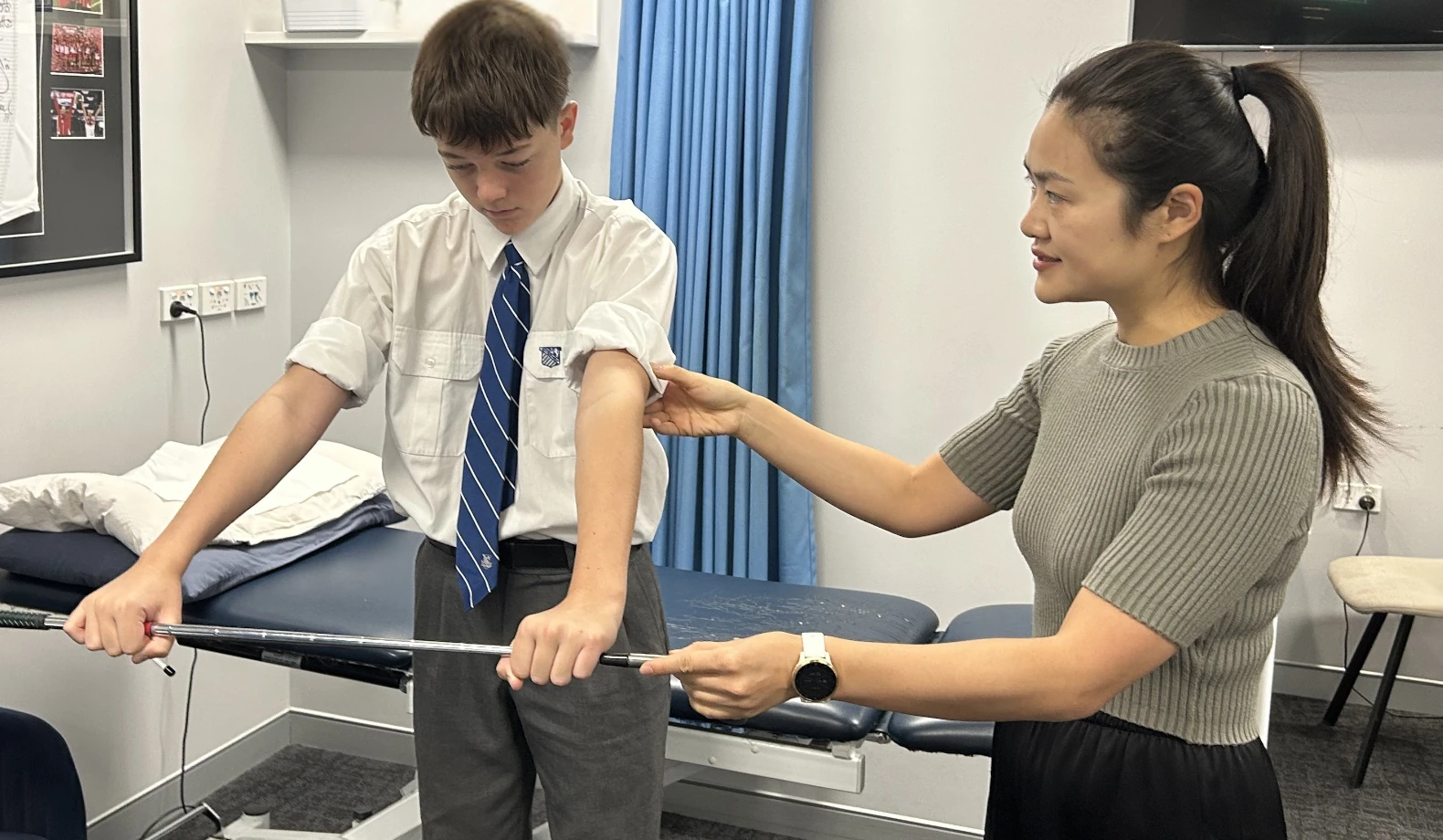
A common condition from tendon overuse causing pain and tenderness on the outside of the elbow.
Broken bones in the hand or wrist, which often need a period of splinting or casting before additional treatment is administered.
Inflammation of the tendons on the thumb side of the wrist, causing pain during thumb or wrist movement.
Thickening of tissue in the palm that can cause one or more fingers to curl inward.
Compression of the ulnar nerve at the elbow, causing numbness or tingling in the ring and little fingers.
Surgical repair of flexor or extensor tendons of the hand and wrist, such as Jersey Finger flexor tendon repair.
It is important to have post-operative hand therapy following hand surgery for conditions such as tendon repairs, wrist ligament repairs, fractures, or any type of nerve decompression surgeries including the carpal tunnel release. Our hand therapists, in close liaison with specialist hand surgeons based in Sydney, develop an individualised exercise program that is specific to your surgery and your stage of recovery.
Depending on the nature of injury to the hand, early mobilisation through a structured exercise program may be indicated with the view of avoiding complications such as stiffness, adhesions, or joint stiffness. Based on the latest scientific knowledge, you may be advised by a hand therapist or Sydney hand surgeon to commence some selected hand exercises a few days following surgery or injury of your hand safely without causing further injury.
The specific exercises will be added in the different phases of hand injury recovery. A hand therapist may also fabricate an individualised splint, such as a dynamic splint, to help improve your movement if you start developing stiffness.
At our North Shore Sydney hand therapy clinic, we take a patient-centred approach to rehabilitation.
We know that all hand injuries and surgeries are different, so we design the hand exercise programs to meet the particular needs of each individual. Our experienced hand physiotherapist in Sydney will help guide you through each stage of your recovery, ensuring exercises are progressed at the right time and with the right intensity. Whether you are recovering from carpal tunnel syndrome, De Quervain’s, a wrist fracture, or hand surgery.
If you need hand therapy exercises for a hand or wrist condition, ring and make an appointment with our Sydney hand therapy clinic.