
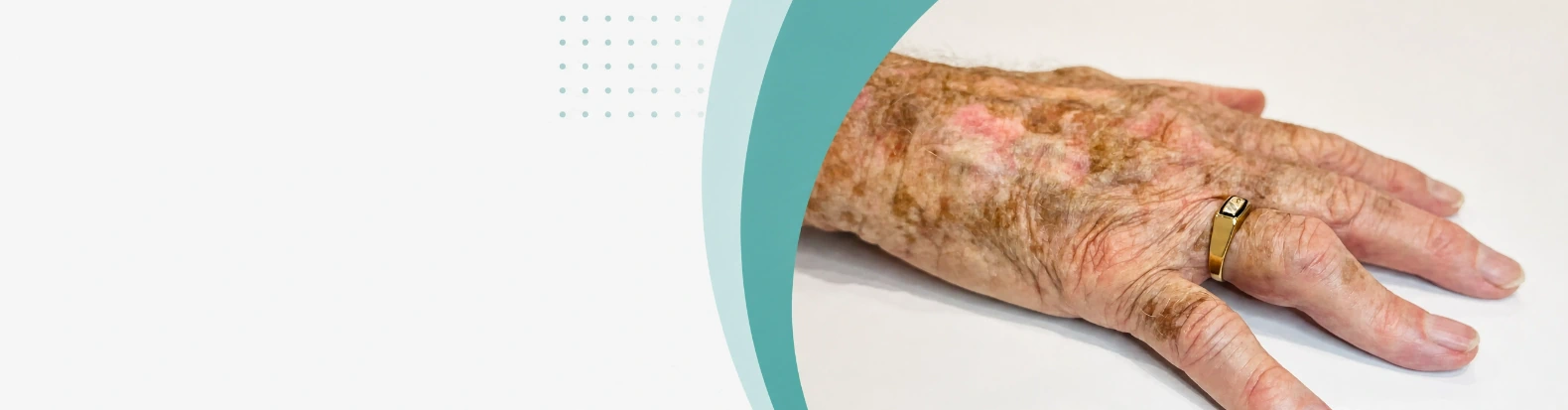
Hand Arthritis Definition
Hand arthritis is a degenerative disease affecting one or more joints in the hand. Normally, bones move easily with a smooth, slippery tissue called articular cartilage.
One of the main types of hand arthritis primarily affects the base of the thumb, commonly known as base of thumb arthritis, or more clinically as osteoarthritis of the carpometacarpal joint (CMC).
The thumb is extremely mobile that is used in everyday activities, which is what makes it the most susceptible to developing hand arthritis.
Like other areas in the body, the thumb is lined with articular cartilage, which is protected by a tissue lining called the synovium. This produces synovial fluid that lubricates joints and acts as a shock absorber.
When hand arthritis occurs, this cartilage starts to break down. Less synovial fluid lining the surfaces causes friction between the bones during hand movement which results in the condition’s classic symptoms: joint stiffness, pain and inflammation.
Other common areas affected include the finger joints (DIP or PIP). For example, in patients with rheumatoid arthritis, the hand metacarpals and wrist are also affected by arthritis pain symptoms
Key Takeaways: Hand Arthritis at a Glance
 What It Is: Hand arthritis is a degenerative joint condition that breaks down the cartilage in your finger, thumb or wrist joints, causing pain, stiffness and swelling.
 Two Main Types: Osteoarthritis (wear-and-tear) and rheumatoid arthritis (autoimmune) affect different joints and need different management approaches.
 Early Signs to Watch For: Morning stiffness, joint swelling, bony lumps and difficulty gripping or pinching are common early indicators.
 Diagnosis: Confirmed through a combination of imaging, blood tests and a physical joint assessment.
 Treatment Options: Hand therapy, medication and, in some cases, surgery can all play a role, depending on severity and type.
 No Referral Needed: You can see a hand therapist for assessment and treatment without a GP referral.
Which Age Groups Get Hand and Wrist Arthritis?
Hand arthritis most commonly affects individuals over the age of 50, but it can also start in younger patients with an inflammatory type.
As we get older, our joints naturally experience wear-and-tear and reduced cartilage thickness bu there are also other factors that contribute to your overall risk of developing the condition. These include your genetics, whether you perform repetitive tasks, as well as a history of previous trauma. Over time, these factors make the hands more prone to stiffness, swelling, and pain.
Is Arthritis Hereditary?

Hand arthritis can be hereditary, with certain genes in your family increasing the likelihood of developing the condition. This is common in patients with inflammatory arthritis, such as rheumatoid arthritis.
Studies have shown that genes do indeed play a strong role in developing hand osteoarthritis. This was found to be the case in a 2022 study which had 60,000 twins take part.
The findings highlighted that genetic factors accounted for up to 87% of the variation in risk of developing arthritis in the hand, suggesting that it is one of the more heritable forms.
What Can Hand Arthritis Be Mistaken For?
Due to similarities in symptoms, it can be mistaken for many other conditions, which include:
- Trigger finger – Can cause stiffness in the hand or your fingers.
- Carpal tunnel syndrome – Can also cause stiffness and pain in the hand or your fingers.
- De Quervain’s tenosynovitis – People may feel pain at the base of the thumb which is often confused with base of thumb (CMC joint) arthritis.
- Dupuytren’s contracture – A condition that causes the thickening of tissue in the palm of the hand, causing the fingers to be pulled into a bent position, this can look similar to joint deformity caused by arthritis.
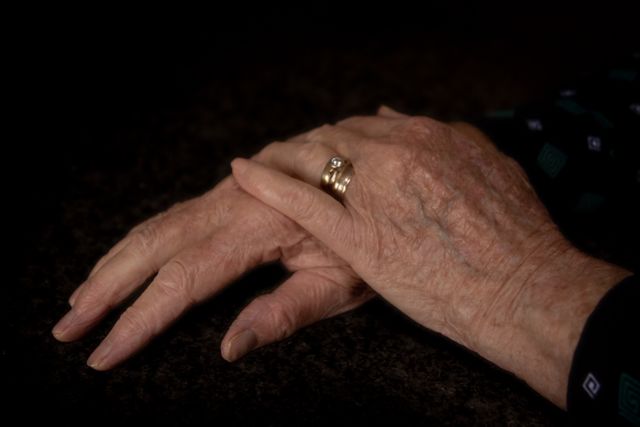
Signs and Symptoms of Hand Arthritis
Pain
Discomfort around the base of the thumb, fingers, or wrist with movement or at rest. If arthritis is severe or very inflamed in winter, it may also feel painful at night, leading to difficulty sleeping.
Swelling or redness
Increase in fluid or redness in areas affected by arthritis.
Reduced movement
With joint stiffness and imbalances in surrounding tendons or muscles, you may see a reduced range of motion.
Joint deformities
Hard lumps or structural changes in the affected area.
Limited mobility
Difficulty straightening or bending your fingers or wrist.
Difficulty with daily activities
May experience pain when performing everyday tasks, such as opening jars, turning a doorknob, gripping, lifting or cooking.
What Causes Hand Arthritis Flare-Ups?
Joint Overload and Mechanical Stress (Osteoarthritis and Post-Traumatic Arthritis)
In osteoarthritis and post-traumatic arthritis, flare-ups often follow periods of increased hand use.
Activities such as gripping, twisting, pinching, lifting, gardening, typing, or manual work place extra load on worn or previously injured joints.
When the cartilage can’t absorb this force effectively, the joint surfaces become irritated, leading to temporary spikes in pain, stiffness, and swelling.
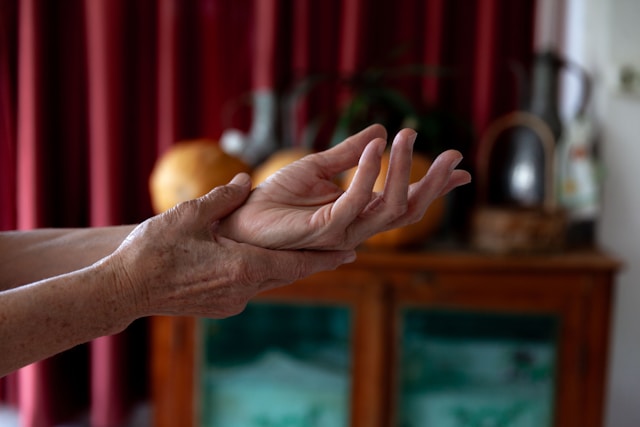

Stress and Emotional Factors
When you’re stressed, your muscles tighten, especially around the neck, shoulders, forearms, and hands, which increases pressure on already sensitive joints. Stress also activates the immune system’s inflammatory response, which drives joint damage in conditions like rheumatoid arthritis, lupus, psoriatic arthritis, and other related types. This extra inflammation can make hand pain, stiffness or swelling suddenly feel worse.
Flare-ups can also contribute to stress through a cycle of persistent pain, fatigue, and poor sleep. When you feel exhausted or sore, your motivation to stay active may drop. Reduced movement and blood flow from lack of exercise also result in joint stiffness, making arthritic pain worse.
Hormone Changes
Hormonal changes, especially during perimenopause and menopause can make hand arthritis feel worse.
Both oestrogen and progesterone help protect joint cartilage and regulate inflammation. When these levels drop, joints can become more sensitive, stiff, and painful.
Research shows that lower oestrogen can speed up cartilage wear in osteoarthritis and may also increase the risk of developing rheumatoid arthritis by shifting the immune system into a more inflammatory state. Progesterone normally helps calm inflammation, so its decline can add to symptom flare‑ups.


Weather and Temperature Changes
Many people report increased pain during cold weather and damp or rainy conditions. Lower temperatures reduce blood flow to joints, causing stiffness and tightness in muscles and surrounding tissues.
While weather changes don’t directly cause arthritis, they can worsen existing symptoms and trigger flare-ups.
What Does Hand and Wrist Arthritis Look Like?
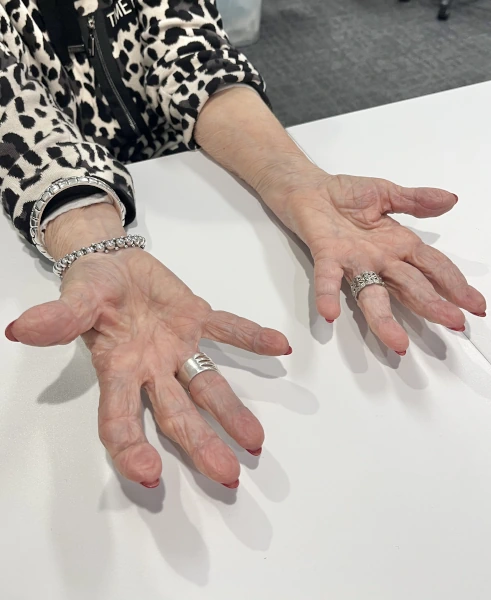
Hand and wrist arthritis can change the way your joints look over time. These changes depend on the type of condition you have, how long you’ve had symptoms and how much inflammation or cartilage wear is present. Some people notice only mild swelling or stiffness, while others develop more visible deformities that affect both appearance and function.
Early Arthritis Appearance
Early arthritis changes are often mild and may come and go with flare‑ups. These include:
- Swelling – Around the joints, especially after activity or during a flare-up
- Warmth or redness – Of the affected joints
- Bony enlargement – Hard lumps at the finger joints, known as Heberden’s nodes (at the fingertips) and Bouchard’s nodes (at the middle joints)
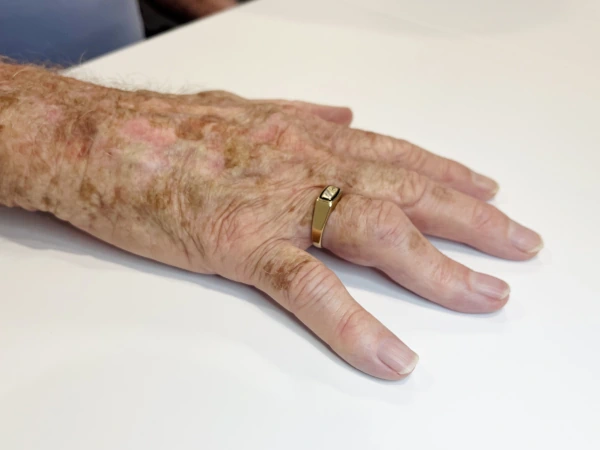
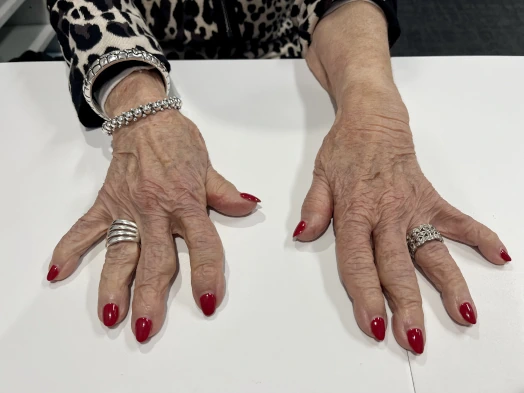
Joint Deformities: Arthritis Disease Progression
If the condition progresses, especially inflammatory types like rheumatoid arthritis, the ligaments, tendons and muscles that support the joints can weaken or stretch. This creates an imbalance of forces across the joint, leading to more visible deformities that affect both appearance and movement. Common deformities include:
- Boutonnière – In the fingers, the proximal interphalangeal (PIP) joint rests in flexion while the distal interphalangeal (DIP) joint rests in hyperextension. In the thumb, this pattern occurs where the metacarpophalangeal (MCP) joint rests in flexion and the interphalangeal (IP) joint rests in extension
- Swan neck – In the fingers, the proximal interphalangeal (PIP) joint hyperextends while the distal interphalangeal (DIP) joint rests in flexion. In the thumb, the metacarpophalangeal (MCP) joint hyperextends and the interphalangeal (IP) joint flexes.
- Gamekeeper’s thumb – Radial deviation of the proximal phalanx at the thumb metacarpal joint as the thumb’s collateral ligament becomes unstable, eventually leading to a contracture with the thumb metacarpal resting in an adducted position
- Ulnar drift – The fingers angle significantly toward the little-finger side due to tendon displacement and joint instability
- Caput ulnae – The head of the ulna bone becomes more prominent at the wrist
Osteoarthritis vs. Rheumatoid Arthritis: Key Differences & Treatment
| Osteoarthritis | Rheumatoid Arthritis | |
|---|---|---|
| Cause | Cartilage wear-and-tear, previous hand trauma, joint overload, or age-related changes | Autoimmune condition where the immune system attacks joint lining (synovium) and soft tissues |
| Symptoms | Bony lumps, morning stiffness that improves with movement, and pain in affected areas with mild swelling or redness | Warm, swollen, red joints, prolonged morning stiffness (over 1 hour), and systemic fatigue. Pain occurs symmetrically in both hands and is driven by underlying inflammation |
| Joints affected | Symptoms often begin in one hand and may later affect the other. It most commonly involves the thumb CMC, finger DIP, finger PIP, or wrist | Often affects both sides of the hand. Most commonly involves the thumb and finger MCP, finger PIP, and wrist – though DIP joints can also be affected |
| Hand therapy treatment | Custom splinting for support, joint protection education, load management, targeted strengthening exercises and activity modification strategies. Coordination of care with a rheumatologist, hand surgeon or general practitioner. Post-operative therapy includes wound management, range of motion and strengthening. | Splinting during pain flare-ups, gentle mobility exercises, swelling management, joint protection and activity modification strategies. Coordination of care with a rheumatologist, hand surgeon or general practitioner. Post-operative hand therapy includes splinting, wound management, range of motion and strengthening |
Could I Have Hand Arthritis? A Quick Self-Check
Our Interactive Tool
Disclaimer: This self-check list is only used as a general guide and should not replace professional medical advice. Book an appointment to see a hand therapist for an accurate diagnosis and treatment.
Diagnosing Hand Arthritis: What to Expect
Diagnosing hand arthritis usually involves a combination of imaging, blood tests and a physical assessment, which together help confirm the type of condition you have and how far it’s progressed.

How Does Hand Therapy Treat Hand and Wrist Arthritis?
A hand therapist is the first line of treatment to see if your condition can be managed without the need for surgery. They provide a range of treatments, including:
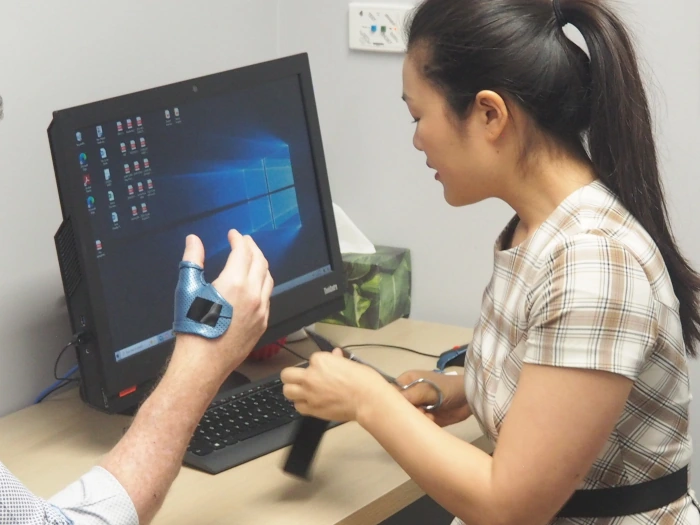
- Comprehensive Evaluation – A hand therapist will assess your joints and muscles to determine the best treatment for your condition. This also includes understanding your medical history, any medications you take, your hobbies and work, and what treatments you’ve had to date, if any
- Custom Splinting & Targeted Exercises – Based on your assessment and whether you have joint deformities, you may be provided with a splint to wear to manage your pain. Tailored exercises may also be given to improve mobility and proprioception, slow the progression of deformity, and reduce pain
- Post-Operative Rehabilitation – After surgery for hand or wrist arthritis, a hand therapist works closely with your surgeon to support functional recovery. Treatment includes wound management, scar management, splinting, range of motion and strengthening exercises
- Management Education – Practical advice will be provided on how to look after your joints to prevent symptoms from worsening. This includes guidance on ergonomic adjustments, what activities to avoid, and practical alternatives for daily tasks
- Referral – You may be recommended to get an X-ray to confirm a diagnosis, or see a hand surgeon, GP or rheumatologist if required
- For information, read our blog – what is hand therapy
Common Medications Used for Arthritis
The most common medications prescribed for arthritis include:
- Pain relievers
- Non-steroidal anti-inflammatory drugs
- Opioids
- Disease-modifying anti-rheumatic drugs (DMARDs)
- Biological disease-modifying anti-rheumatic drugs (bDMARDs)
- Corticosteroids (taken in capsule form or injected into a joint, muscle, or tissue)
For more information on how different medications work, visit Arthritis Australia or the Arthritis Foundation.
It’s important to know what type of arthritis you suffer from if you need medications to manage your symptoms, such as pain. You should discuss your condition with your GP, hand surgeon or rheumatologist to find the most appropriate medication that targets the root cause and improves your overall quality of life.
Having a well-balanced diet can also help. Whilst there is no miracle diet for arthritis, avoiding heavily processed or fatty foods can help reduce joint inflammation and improve symptoms. This includes adding nuts and seeds, fruit and vegetables, fish, olive oil, and wholegrains to your diet.
For more information on diet, visit the Arthritis Foundation’s diet guide or speak to a dietician.
Does Hand Arthritis Need Surgery?
Not all cases require surgical intervention. Whether you need surgery or not depends on the severity of your symptoms, deformities and whether your pain limits the functionality of your hands.
For most patients with early hand arthritis symptoms, hand therapy with splinting, exercises, and joint protection advice can help you to manage your condition without having to turn to surgery.
If however, you have a severe form of arthritis which is enough to cause you constant pain during the day and night-time, severe joint deformities and limits your ability to do daily activities, then seeing a hand surgeon is recommended.
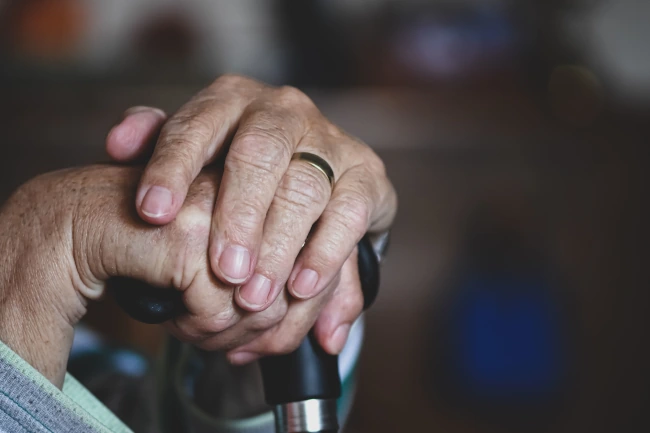
What Exercises Help Hand and Wrist Arthritis?
Range of Motion Exercises
Everyday mobility- Maintains mobility in stiff joints
- Supports functional movement for daily tasks like cooking, opening jars, doing up buttons and cleaning
- Performed for the fingers, hand and wrist
- Certain movements may need to be avoided to prevent pain or deformity from worsening – your hand therapist can advise which
Strengthening and Joint Control
Thumb-focused- Targets weakness in specific muscles, especially with thumb arthritis
- Helps reduce pain
- Focuses on strengthening and control exercises for the thumb
Nerve Gliding Exercises
Nerve care- Addresses nerve irritation around the thumb and wrist
- May help reduce pain caused by this irritation
- Recommended when nerves around the thumb and wrist are affected
About The Author
Chen Li is an Accredited Hand Therapist based in Sydney’s North Shore, with over 10 years of experience in assessing and treating arthritic conditions of the hand, wrist, and elbow to help patients regain strength and mobility.
She has extensive expertise, offering effective and conservative hand therapy treatment while supporting patients through post-surgical rehabilitation.

Book Your Appointment At Hand Therapy Experts
No Referral Needed
Be seen today at our North Shore or Northern Beaches clinic. Book online or contact us directly.
