
Jersey Finger: Your Guide To The Flexor Tendon Injury Common In Rugby & AFL
Jersey finger is a tear of the flexor digitorum profundus tendon, also known as the FDP tendon or FDP avulsion injury. FDP is the only tendon that bends or initiates flexion at the DIP joint of the fingertip. It occurs during the pulling force of the tendon during forceful DIP joint extension.
This results in a torn FDP tendon from the insertion at the base of the distal phalanx bone and can include an avulsion fracture of the distal phalanx bone.
Key Takeaways: Jersey Finger at a Glance
 What It Is: A tear of the flexor tendon that bends the fingertip, usually caused by forceful straightening of a bent finger while gripping.
 Who’s at Risk: Common in rugby, AFL and other grip-and-pull sports, with the ring finger the most frequently affected.
 Signs to Watch For: A pop or snap at the time of injury, inability to bend the fingertip, bruising and swelling, or a lump further down the palm.
 Why Timing Matters: The tendon is best repaired within the first 2 weeks – waiting longer can let it retract further and lead to more stiffness.
 Treatment Options: Surgery to reattach the torn tendon, followed by hand therapy rehab including splinting and a structured exercise programme.
 No Referral Needed: You can see a hand therapist for assessment and treatment without a GP referral.
Signs of Symptoms of Jersey Finger
If you have a jersey finger, you may experience the following:
- Popping sensation of the finger during injury
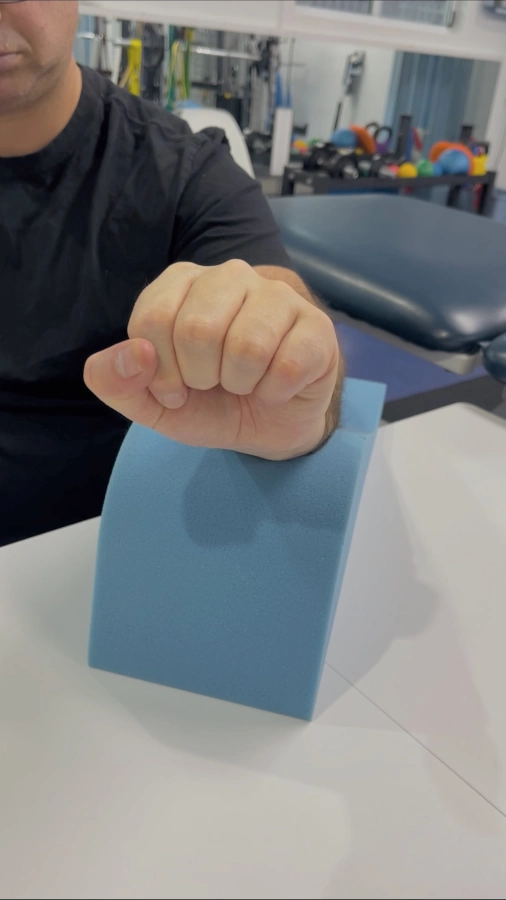
- Inability to bend or initiate flexion at the DIP joint of the finger
- Bruising and swelling of the affected fingertip
- Pain of the injured finger
Do I Have Jersey Finger? A Quick Checklist
Who Gets Jersey Finger Injuries?
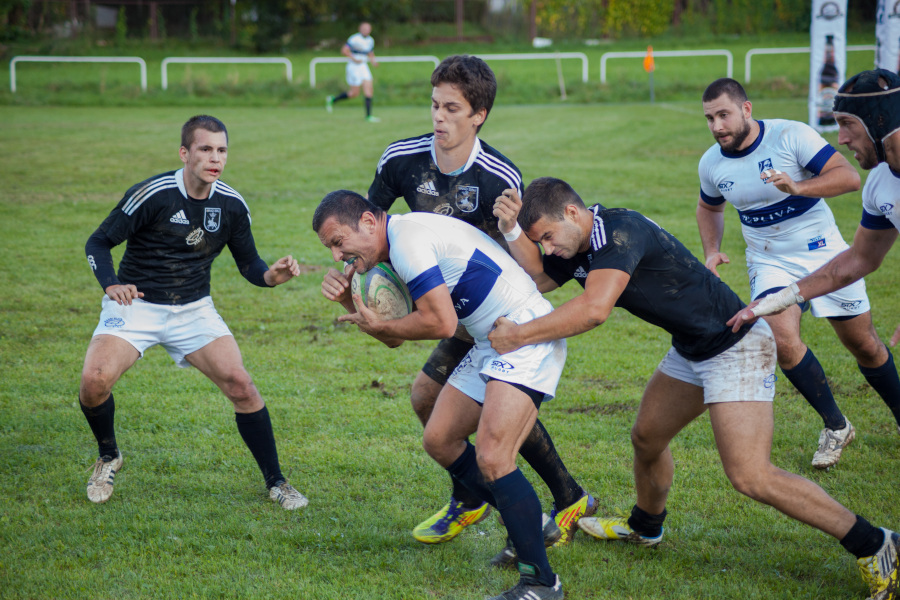
While anyone can sustain a Jersey finger, it most commonly occurs during contact sports like rugby and AFL when forcefully grabbing an opponent’s sweater or another object.
The ring finger is the most commonly affected finger in this injury. This is likely due to the fact that the ring finger is one of the most prominent fingers during gripping activities when the injury occurs.
Although the ring finger is the most commonly affected finger, jersey finger can also occur on other fingers.
Sports carrying the highest risk
Types of Jersey Finger
Below is the Leddy and Packer Classification for jersey finger injuries:
| Type | Description |
|---|---|
| Type I | FDP tendon retracted to palm. Leads to disruption of the vascular supply |
| Type II | FDP retracts to level of PIP joint |
| Type III | A large avulsion fracture limits retraction to the level of the DIP joint |
| Type IV | Osseous fragment and simultaneous avulsion of the tendon from the fracture fragment (“Double avulsion” with subsequent retraction of the tendon usually into palm) |
| Type V | Ruptured tendon with bone avulsion with bony comminution of the remaining distal phalanx (Va, extra-articular; Vb, intra-articular) |
Why Early Treatment Matters
Early treatment results in better outcomes and fewer complications with hand therapy rehab.
The optimal time to repair an FDP tendon avulsion injury is within the first 2 weeks of injury. Delay in seeking treatment may result in tendon retraction, where the tendon pulls away further from the fingertip attachment site.
In severe cases, the tendon may retract into the palm. Delayed flexor tendon repairs may result in more finger stiffness and problems with hand function, compared to flexor tendon repairs that are surgically fixed within the first 2 weeks of injury.
Jersey Finger vs Mallet Finger: Common Misdiagnosis
As ‘jersey finger’ is a common term used in rugby or AFL injuries, it can commonly be mistaken for a mallet finger injury due to the same mechanism of injury. A mallet finger injury also occurs from a pulling motion. However, the extensor tendon of the finger is torn with a mallet injury versus a tear in the flexor tendon associated with a jersey finger injury.
Side By Side Comparison
Treatment for Jersey Finger
Treatment depends on the severity of the injury, how quickly it’s addressed, and whether there’s a fracture associated with the torn FDP tendon.

The Role of Hand Therapy in Your Recovery
Hand therapy treatment for jersey finger occurs before and after surgery.
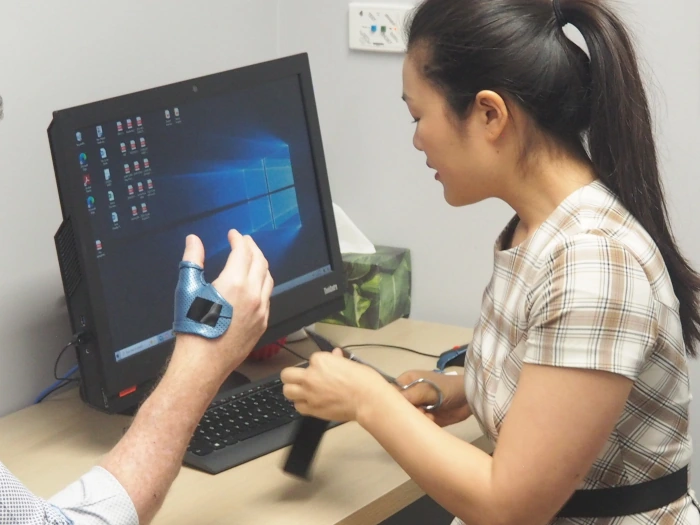
Pre-operative hand therapy
- Initial hand therapy assessment
- Assess whether FDP flexor tendon is intact
- Refer for x-ray to rule out fracture
- Recommend ultrasound or referral to hand surgeon
Post-operative hand therapy
- After flexor tendon repair (surgical fixation of jersey finger), referral is received from the hand surgeon for post-op hand therapy
- Treatment: splinting, dressing changes and range of motion exercises in the first 6 weeks. Gradual progression to strengthening and return to work/sport from 8 weeks post-surgery
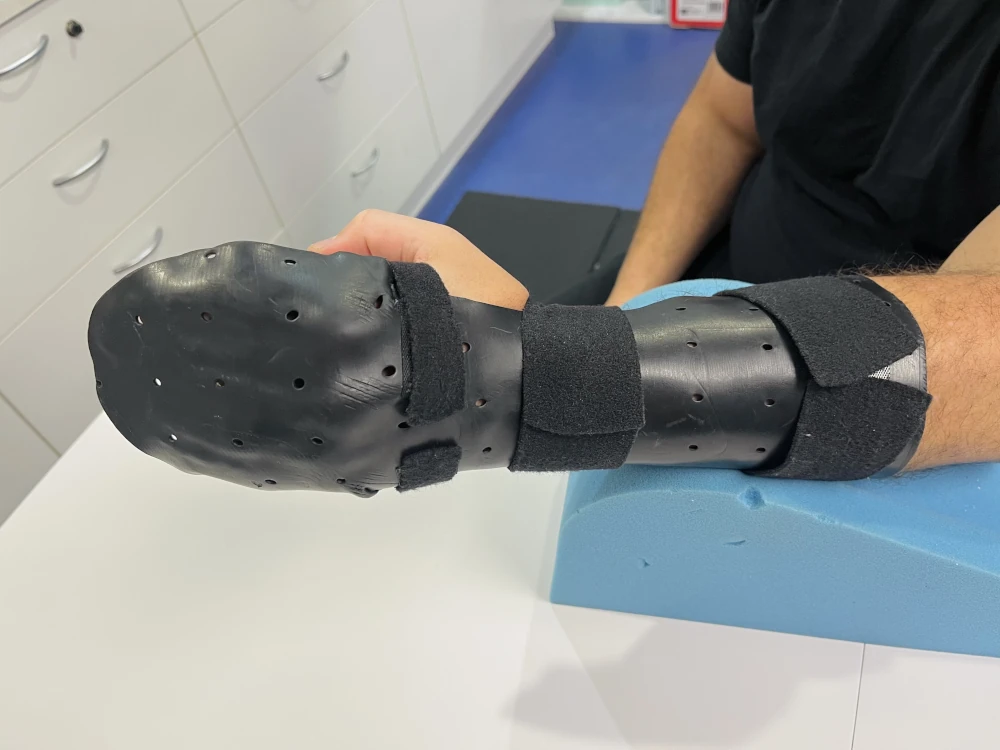
Jersey finger splint
- A dorsal blocking forearm splint is required to protect the repaired FDP tendon. As the FDP tendon originates from the elbow and attaches to the fingertip joint (DIP joint), a large forearm splint is required to allow the tendon to heal
- For patients with an undiagnosed or suspected jersey finger FDP avulsion injury, a pre-operative dorsal blocking forearm splint may be fabricated. This allows the patient to be assessed for an ultrasound or by a hand surgeon. As the splint prevents the FDP tendon from being stretched, it may also stop the potentially torn tendon from retracting further away from the finger.
The Road to Recovery (Hand Therapy Timeline)
Disclaimer: This is a general guideline for primary repair of FDP flexor tendon avulsion injury and flexor tendon rehabilitation. Rehabilitation programmes differ for every case depending on severity of injury, tendon repair strength and surgeon guidelines.
When to See a Hand Therapist
If you suspect you may have a jersey finger injury, you can see a Hand Therapist without a referral for a clinical assessment and to determine the right treatment plan.
Your Hand Therapist may arrange for an x-ray referral to assess if there is an avulsion fracture of the distal phalanx, or recommend you to obtain an ultrasound or referral to a Hand Surgeon. If a jersey finger injury is suspected, you may be immobilised in a backslab or pre-operative dorsal blocking forearm splint.
Following hand surgery for FDP tendon avulsion repair, you will need to see a hand therapist within 3-5 days after surgery to commence hand therapy. Early post-operative hand therapy will improve your finger movement and outcome following surgery.
Everything You Need to Know About Jersey Finger
About The Author
Chen Li is an Accredited Hand Therapist based in Sydney’s North Shore, with over 10 years of experience in assessing and treating arthritic conditions of the hand, wrist, and elbow to help patients regain strength and mobility.
She has extensive expertise, offering effective and conservative hand therapy treatment while supporting patients through post-surgical rehabilitation.

Book Your Appointment At Hand Therapy Experts
No Referral Needed
Be seen today at our North Shore or Northern Beaches clinic. Book online or contact us directly.
